Skip to content
ThePickleballCourt.ca

informational · rules

Pickleball Terms Glossary: Dink, Kitchen, Erne & More

A practical pickleball glossary covering dink, kitchen, erne, ATP, third-shot drop, and other terms new players hear on court.

By ThePickleballCourt.ca Editorial TeamPublished July 1, 2026Last updated July 25, 2026

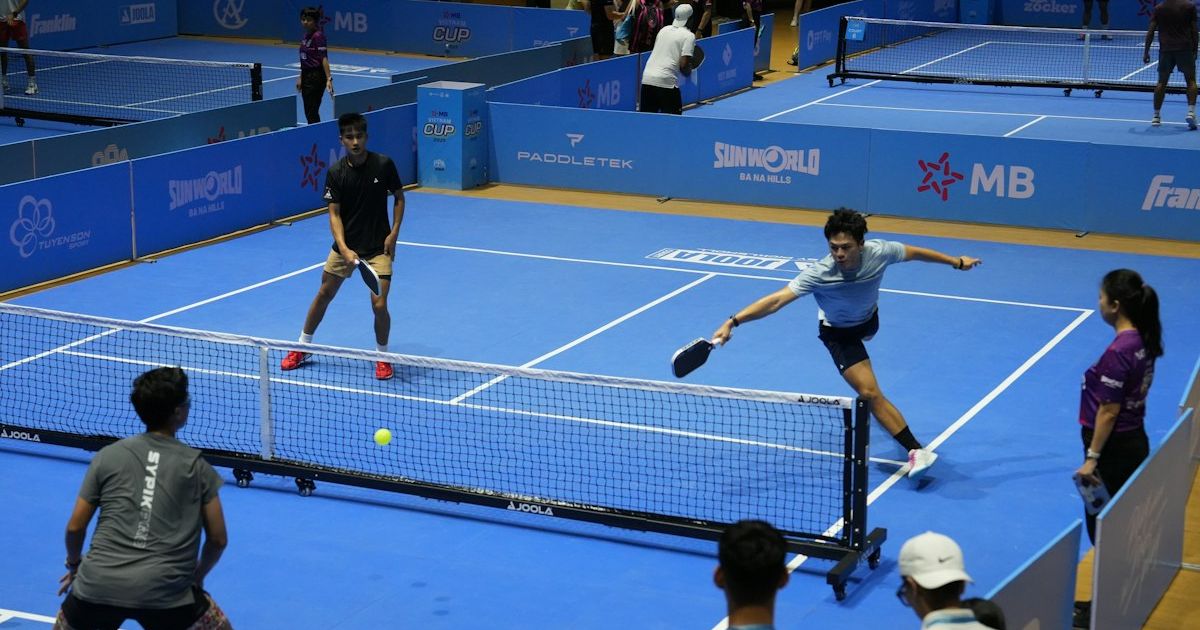
Players warming up on a sports court

Shopping gear?Browse our rules catalogfor Amazon.ca availability.

A practical pickleball glossary covering dink, kitchen, erne, ATP, third-shot drop, and other terms new players hear on court. This guide stays practical, references only products in our catalog, and links deeper reads so you can keep learning without getting stuck in marketing noise.

Kitchen (NVZ)

Non-volley zone. The painted area that forces soft-game craft.

Dink

The chess move of pickleball. Soft, low, patient.

Third-shot drop

The bridge from baseline to kitchen for the serving team.

Speed-up

A sudden attack when a ball sits up — high risk, high reward.

Erne & ATP

Highlight-reel shots. Learn resets before you learn circus shots.

Banger

Affectionate (sometimes not) term for a hard-hitting pace player.

Pros

  • Practical, audience-specific advice
  • Tied to real catalog products
  • Internal links to keep researching

Cons

  • Not a substitute for hands-on demo
  • Amazon availability changes
  • Approximate catalog prices only

Keep learning

How to use this guide on court

Read once for the framework, then shortlist two products max. Take those names to a demo day, a club buddy’s bag, or an Amazon.ca return-friendly order. Play a soft session and a competitive session before you decide. If a paddle or shoe only feels good when you are fresh, it is not your match.

Canadian outdoor conditions deserve a special note: cold mornings deaden balls, dusty acrylic eats shoe rubber, and wind punishes lofty drops. Buy gear that stays predictable when the environment is not. That usually means a forgiving sweet spot, stable footwear, and — if you build a home court — a portable net that holds center height after repeated setups.

Buying checklist

  1. Define the job (control, power, spin, comfort, portability).
  2. Set a price tier, not a fantasy budget.
  3. Confirm Amazon.ca seller reputation and return window.
  4. Ignore hype specs you cannot verify.
  5. Re-evaluate after five real sessions, not one highlight rally.

Common mistakes we see

People upgrade paddles when they need footwork. People buy running shoes because they “already own them.” People pick the heaviest power frame in the store because a YouTube thumbnail looked aggressive. The fix is boring and effective: match gear to the week you actually play.

Durability and maintenance basics

Wipe grit off faces and outsoles. Do not leave graphite/carbon paddles baking in a hot car if you can avoid it. Retire shoes when the lateral rubber is rounded slick — ankle stability disappears before the upper looks dead. For nets, dry moisture before storage and inspect center straps for stretch.

Where this fits in your learning path

If you are brand new, pair any gear article with rules and glossary pages so vocabulary matches what you hear on court. If you are intermediate, use comparison pages to decide between two good options instead of reading twenty reviews that never disagree with their affiliate links. If you are advanced, skim for edge cases (wide feet, joint comfort, spin grit) and spend your time on pattern practice.

Final recommendation style

We would rather send you to a slightly “less exciting” paddle that keeps you in the point than a flagship frame that launches every miss long. Authority on an affiliate site is earned by restraint. Use the product cards to check live availability, then buy the tool that matches your real identity for the next season of Canadian club play.

Extra practical notes for Canadian players

Club booking culture, shared carts, and mixed-skill round robins mean your gear has to work for imperfect warmups. Arrive with shoes that do not need a three-week break-in and a paddle you can dink with before your shoulder is hot. If you travel between provinces for tournaments, keep a spare overgrip and verify your portable net’s packed dimensions fit your trunk without crushing the frame.

When friends ask for a single recommendation, answer with a question: what problem are you solving? Elbow fatigue, missing drops, slipping on dust, or hosting driveway games each point to different catalog picks. That question is the difference between a useful affiliate site and a keyword farm.

Extra practical notes for Canadian players

Club booking culture, shared carts, and mixed-skill round robins mean your gear has to work for imperfect warmups. Arrive with shoes that do not need a three-week break-in and a paddle you can dink with before your shoulder is hot. If you travel between provinces for tournaments, keep a spare overgrip and verify your portable net’s packed dimensions fit your trunk without crushing the frame.

When friends ask for a single recommendation, answer with a question: what problem are you solving? Elbow fatigue, missing drops, slipping on dust, or hosting driveway games each point to different catalog picks. That question is the difference between a useful affiliate site and a keyword farm.

Extra practical notes for Canadian players

Club booking culture, shared carts, and mixed-skill round robins mean your gear has to work for imperfect warmups. Arrive with shoes that do not need a three-week break-in and a paddle you can dink with before your shoulder is hot. If you travel between provinces for tournaments, keep a spare overgrip and verify your portable net’s packed dimensions fit your trunk without crushing the frame.

When friends ask for a single recommendation, answer with a question: what problem are you solving? Elbow fatigue, missing drops, slipping on dust, or hosting driveway games each point to different catalog picks. That question is the difference between a useful affiliate site and a keyword farm.

Extra practical notes for Canadian players

Club booking culture, shared carts, and mixed-skill round robins mean your gear has to work for imperfect warmups. Arrive with shoes that do not need a three-week break-in and a paddle you can dink with before your shoulder is hot. If you travel between provinces for tournaments, keep a spare overgrip and verify your portable net’s packed dimensions fit your trunk without crushing the frame.

When friends ask for a single recommendation, answer with a question: what problem are you solving? Elbow fatigue, missing drops, slipping on dust, or hosting driveway games each point to different catalog picks. That question is the difference between a useful affiliate site and a keyword farm.

Products mentioned

Frequently asked questions

What is a dink?

A soft shot that lands in the opponent kitchen, designed to stay low and unattackable.

What is an erne?

A volley attack where a player jumps or steps outside the sideline around the kitchen to intercept — advanced timing required.

What is ATP?

Around the post: a legal shot that travels outside the net posts when geometry allows.

What is a third-shot drop?

A soft third shot after the serve and return that lands in the kitchen to neutralize pace.

Why does jargon matter for gear?

If you are a dinker, buy control. If you live on drives, consider power — intentionally.

ThePickleballCourt.ca Editorial Team

Canadian pickleball gear researchers · Amazon Associates publishers

We research pickleball paddles, court shoes, and portable nets for Canadian players — from first-time buyers to tournament regulars. Our guides prioritize court feel, fit, and practical buying advice over hype.